0
View Post
MVC July Workgroups Highlight Sepsis Discharge Planning in CAHs and MVC’s Follow-Up Push Report

MVC July Workgroups Highlight Sepsis Discharge Planning in CAHs and MVC’s Follow-Up Push Report

In July, the Michigan Value Collaborative (MVC) hosted two virtual workgroup presentations. The first, a rural health workgroup focused on MyMichigan Health’s system-wide sepsis discharge planning follow-up initiative implementation at critical access hospital (CAH) sites. The second, a post-discharge follow-up workgroup, provided a walk-through of MVC’s recent Follow-Up push report including recommendations on practical applications of the report to identify opportunities for improvement. The MVC Coordinating Center hosts workgroup presentations once or twice per month, covering a variety of topics including cardiac rehab, post-discharge follow-up, sepsis, rural health, preoperative testing, and health in action.

Rural Health Workgroup: MyMichigan

During MVC’s first workgroup of July, Stephanie Pins-Schallip, MSA, CPHQ, Director of Value Based Care for MyMichigan Health System, shared how their health system developed and implemented a standardized post-discharge follow-up process for patients hospitalized for sepsis. Recognizing the lasting physical and cognitive effects many sepsis patients experience after discharge, Pins-Schallip explained how this initiative was designed to target care transitions, reinforce discharge education, and connect patients with appropriate follow-up care across all MyMichigan Health hospitals. Pins-Schallip also explained how this initiative aimed to drive at both MVC and Michigan Hospital Medicine Safety Consortium (HMS) goals and found ways to benefit sites within the system not engaged with these CQI incentive programs.

Rather than developing separate workflows at each hospital, MyMichigan Health pursued a standardized, system-wide approach. This allowed hospitals of varying sizes, including rural and critical access facilities, to implement consistent practices while also leveraging shared resources. The first step of the initiative was identifying a reliable phone number to provide on discharge paperwork that would connect patients to “on call” Hospitalist providers. By utilizing the health system’s existing 24/7 Transfer Center phone number and nurses already staffing this communication center hub, this minimized the need for additional personnel while also providing patients with a reliable point of contact after leaving the hospital.

Figure 1. Process for 24/7 Transfer Center Calls

A text-based process list outlining steps for patient follow-up after sepsis diagnosis, including discharge, post-discharge questions, 24/7 bed placement call, messaging to hospitalist, and hospitalist follow-up. The list is presented with a MyMichigan Health University of Michigan Health footer in blue and yellow colors.

Pins-Schallip reviewed a selection of sepsis patient calls to the Transfer Center noting that the volume of calls since initiation of the program have been fewer than five. However, the time between a patient calling and resolution of their question is estimated to be on average less than one hour. To date, patient concerns primarily revolve around antibiotic prescription questions.

Throughout implementation, Pins-Schallip noted that the team emphasized collaboration across departments, including hospitalists, nursing, care management, information technology, and executive leadership. Strong physician engagement and support from MyMichigan’s chief medical officer were instrumental in successfully implementing standardized workflows across the health system. With a relatively recent “go live” for this program of July 2026, Pins-Schallip explained that regular feedback gathered from frontline staff and patient data will allow the team to continue to refine the process over time and adapt workflows based on operational experiences.

During the discussion portion of the workgroup, participants enquired about adapting the workflow for other patient populations, implementation at smaller or independent hospitals, and strategies for gaining physician buy-in. Pins-Schallip encouraged organizations to begin with existing resources whenever possible, noting that many hospitals already have personnel or infrastructure that can be leveraged for post-discharge outreach. The importance of executive sponsorship and continuous evaluation were also identified as key strategies to ensure new workflows remain sustainable and effective.

MVC Rural Health Workgroup: July 14, 2026

Post-Discharge Follow-Up Workgroup: MVC Coordinating Center

The second workgroup in July featured a walkthrough of MVC’s new Follow-Up push report, presented by Janet Zhang, MPH, MVC Data Analyst, and Rachel Folk, MHA, MVC Site Engagement Coordinator. Developed to support hospitals interested in further understanding opportunities for improvement, the report provides hospital- and system-level insights into post-discharge follow-up patterns for patients hospitalized with congestive heart failure (CHF), chronic obstructive pulmonary disease (COPD), pneumonia, and sepsis. The report evaluates patterns of follow-up completed within three, seven, and 14-days after discharge using claims data from Blue Cross Blue Shield of Michigan and the Centers for Medicare & Medicaid Services.

Figure 2. MVC Follow-Up Push Report Details

Report details slide presents data parameters for a 30-day inpatient episode analysis covering four MVC conditions: CHF, COPD, Pneumonia, and Sepsis, with payer data date ranges for BCBSM PPO, MA, BCN HMO, BCN HMO MA, Medicare FFS, and Medicaid. Outcome measures include follow-up rates at 3, 7, and 14 days post-index, excluding visits after readmission, inpatient procedures, emergency visits, skilled nursing admissions, or inpatient rehabilitation..

To begin, Zhang reviewed the design of the report outlining how hospitals can use the system-level report to identify variation in follow-up performance across hospitals within the same system. At the system level this report can help leaders recognize opportunities to share successful practices across sites. At the hospital level, the report provides additional context through patient demographic information, non-medical drivers of health, and analyses stratified by payer and follow-up status. Together, these visualizations help members identify where opportunities to optimize follow-up may exist and prioritize improvement efforts.

Next, using a blinded sample report, Folk demonstrated how members can translate their own report findings into actionable quality improvement opportunities. Using the sample blinded report as a template, the remainder of the presentation guided participants through the next steps to finding actionable insights including the identification of areas of opportunity. In this particular report, Folk identified the following areas of opportunity:

  1. Sepsis has the lowest overall follow-up rates at three, seven and 14-days after discharge.
  2. All conditions show lower rates of seven and 14-day follow-up for Medicaid FFS and Dual Eligible payers.
  3. COPD and sepsis patients that attend follow-up within 14-days after discharge have lower 30-day risk-adjusted, price-standardized total episode payments.

As a next step, Folk walked participants through samples of related goal setting and suggested action items for two priority metrics: COPD 7-day follow-up and sepsis 14-day follow-up.

Between COPD and sepsis, the evidence-based action items reviewed included:

  • Schedule follow-up appointments before discharge
  • Confirm medication and follow-up provider access prior to discharge
  • Referral placement for smoking cessation and rehab as indicated
  • Document and review medical care action plans
  • Connect high-risk patients to care management follow-up
  • Flag patients discharged to home without home health as high priority

As part of an interactive discussion, participants were asked to vote on the follow-up intervention they’d most likely implement to drive further discussion.

Figure 3. Screenshot of Follow-Up Intervention Interactive Discussion

Diagram of five color-coded sticky notes outlining steps to improve post-discharge patient care, including scheduling follow-ups, outreach workflows, discharge planning barriers, clinic coordination, and data analysis. Each note features check marks and symbols in various colors, highlighting high interest and key focus areas for high-risk patients and priority conditions.

Throughout the discussion, participants shared experiences and challenges related to improving post-discharge follow-up within their organizations. While several members identified building structured outreach workflows for high-risk patients and scheduling follow-up appointments before discharge as high-priority areas, others discussed practical barriers to these interventions including coordinating care with independent primary care practices, transportation challenges, and difficulty reaching patients by telephone after discharge. Participants also exchanged ideas such as utilizing nurses on light duty to conduct follow-up calls, incorporating virtual and remote monitoring for rural populations, and partnering with home health agencies to reinforce patient education.

The discussion also highlighted opportunities to maximize the value of MVC reports by combining claims data-based insights with internal quality dashboards and other collaborative initiatives. Members expressed continued interest in additional education on integrating MVC reports with other quality improvement efforts and using benchmarking data to communicate opportunities and progress with organizational leadership.

MVC Post-Discharge Follow-Up Workgroup: July 23, 2026

For MVC members seeking additional support related to claims data, please reach out to us by email. MVC welcomes workgroup presenters from across Michigan to share their expertise, success stories, initiatives, and solution-focused ideas with MVC members. If you are interested in being a workgroup presenter please submit a presentation proposal here.

Off
View Post
MVC Push Report Benchmarks Follow-Up Rates for CHF, COPD, Pneumonia, and Sepsis Patients

MVC Push Report Benchmarks Follow-Up Rates for CHF, COPD, Pneumonia, and Sepsis Patients

The Michigan Value Collaborative (MVC) distributed hospital-level follow-up push reports recently intended to support the evaluation of long-term trends as well as the identification of gaps in follow-up care across differing patient demographics. This report focused on follow-up care after hospitalization for congestive heart failure (CHF), chronic obstructive pulmonary disease (COPD), pneumonia, and sepsis—four of MVC’s value metrics for Program Years 2026-2027 of the MVC Component of the BCBSM Pay-for-Performance (P4P) Program.

While MVC also provides reporting on its P4P value metrics via scorecards and registry reports, this push report provided additional data on follow-up care at member hospitals by showcasing variability across a longer analytic timeframe and more detailed stratifications for its 30-day CHF, COPD, pneumonia, and sepsis episodes. MVC defined follow-up as episodes where a patient had an outpatient follow-up visit (in person or by telehealth) within 30 days or before a readmission, inpatient procedure, emergency department visit, skilled nursing facility admission, or visit for inpatient rehabilitation.

Contained in each hospital’s report was a page dedicated to follow-up following hospitalizations for each condition. On those report pages, MVC hospitals received comparisons to their peers on outpatient follow-up rates and 30-day risk-adjusted total episode payments, as well as their hospital’s outpatient follow-up rates stratified by payer.

The report also featured a patient population snapshot table that highlighted demographic data for patients in each condition cohort. These tables (see Figure 1) provided each hospital with information on race, mean age, common comorbidities, and several indicators of non-medical drivers of health.

Figure 1. Sociodemographic Overview of Patients Receiving Follow-Up Following Discharge for CHF, COPD, Pneumonia, or Sepsis at Hospital A

Table presenting sociodemographic overview of follow-up conditions at Hospital A, including CHF, COPD, pneumonia, and sepsis. It details age groups, race/ethnicity percentages, common comorbidities, and socioeconomic indicators such as diabetes prevalence and living conditions, with data organized in rows and columns for comparison across conditions.

*Patient zip codes categorized as prosperous, comfortable, mid-tier, at-risk, or distressed according to the Economic Innovation Group's Distressed Communities Index 2018-2022, which incorporates economic indicators such as education, employment, and income.

Each figure reflected index admissions between 1/1/2023-12/31/2024 in BCBSM PPO Commercial, BCBSM PPO Medicare Advantage, BCN HMO Commercial, BCN HMO Medicare Advantage, and Medicare Fee-for-Service claims, and between 1/1/2023-9/30/2024 in Michigan Medicaid claims. Individuals insured by both Medicare and Medicaid were categorized as dual-eligible in the payer-specific figures. Hospital reports included pages for each condition if they met the threshold of at least 11 qualifying episodes in each year of data for that condition.

There was wide variation in follow-up rates across the collaborative for all four conditions, with some member follow-up rates averaging less than 20% to greater than 60% among CHF, COPD, and pneumonia patients, and between less than 30% to greater than 70% among sepsis patients.

Among general acute care hospitals, there were consistent decreases in average follow-up rates across the collaborative compared to previous reporting; MVC provided reporting on these same follow-up measures in a Q1 2025 push report based on 2022-2023 claims. Using the updated 2023-2024 timeframe, the collaborative-wide average 14-day follow-up rate for patients hospitalized for COPD fell from 55.3% to 51%. A similar trend was observed for seven-day follow-up after CHF (decreased from 44.8% to 43.1%), seven-day follow-up after pneumonia (decreased from 42.7% to 41.6%), and 14-day follow-up after sepsis (decreased from 58% to 52.5%). Follow-up rates were often lowest among the Medicaid and dual-eligible patient populations (Figure 2), and are therefore a patient group that likely needs additional support and outreach. Additionally, across all four conditions the average risk-adjusted price-standardized total episode payment at general acute care hospitals was higher among patients who did not receive follow-up than among patients who received follow-up care (see COPD example in Figure 3).

Figure 2. 3-Day, 7-Day, and 14-Day Follow-Up Rate Among Patients Hospitalized for Sepsis by Payer for Hospital A

Bar chart comparing follow-up rates across five insurance categories with three time intervals: 3-day, 7-day, and 14-day follow-ups, represented by blue, gray, and orange bars respectively. Notable trends include consistently higher follow-up rates at 14 days, with Commercial insurance showing the highest rates.

Figure 3. Average 30-Day Risk-Adjusted, Price-Standardized Total Episode Payment Among Patients Hospitalized for COPD by 14-Day Follow-Up Status for Hospital A

Bar chart comparing 30-day total episode payments for 14-day and no 14-day follow-up periods across three categories: Your Hospital (blue), Your Region (gray), and GACH Average (orange). No 14-day follow-up shows higher payments overall.

MVC member hospitals who classify as Critical Access Hospitals (CAHs) received alternate versions of the report, which used the averages of other CAHs as their comparison group in addition to MVC region. Similar to general acute care hospitals, the collaborative observed decreases in average follow-up rates among its CAH members for patients hospitalized for CHF (decrease from 39% to 38.2%), pneumonia (37.4% to 32.5%), and sepsis (44.7% to 43.9%). Among patients hospitalized for COPD at a CAH, however, there was an observed increase in the average 14-day follow-up rate from 44.9% to 47.2%. CAHs also observed similar trends of lower follow-up rates among Medicaid and dual-eligible patients.

Members can similarly benchmark the values and data provided in their recent report pages to the previously distributed follow-up push report from Q1 2025.

In addition to providing data on follow-up care, the MVC Coordinating Center offers a regular post-discharge follow-up workgroup series where members and partners share strategies and insights to help improve follow-up performance. The next workgroup will take place on Thurs., July 23, from 12-1 p.m. More information about upcoming MVC events can be found on the MVC events page.

If you have any suggestions on how these reports can be improved or have additional data requests to help support your quality improvement projects, please reach out to the MVC Coordinating Center.

Off
View Post
November Workgroups Highlight Mobile Health and Patient Storytelling

November Workgroups Highlight Mobile Health and Patient Storytelling

In November, MVC hosted two virtual workgroup presentations – the first, a rural health workgroup, featured Hillsdale Hospital’s mobile health unit initiative. The second, a post-discharge follow-up workgroup, continued a presentation started at MVC’s February 2025 health in action workgroup on patient journey mapping and introduced a joint patient storytelling project by Healthy Behavior Optimization for Michigan (HBOM) and Michigan Cardiac Rehab Network (MiCR). The MVC Coordinating Center hosts workgroup presentations twice per month covering a variety of topics including post-discharge follow-up, sepsis, cardiac rehab, rural health, preoperative testing and health in action.

Rural Health Workgroup – Hillsdale Hospital 

The first workgroup of the month provided a review of Hillsdale Hospital’s mobile health unit, which aims to deliver essential health services to patients living in rural communities who may otherwise struggle physically or financially to reach traditional care settings.

As Lindsey Crouch, Director of Outpatient Clinics, Home Care, and Durable Medical Equipment for Hillsdale Hospital explained, rural communities face higher health outcome variation, transportation issues, limited accessibility to primary care providers, and high unnecessary emergency department (ED) utilization (Figure 1).

Figure 1. Hillsdale County Community Health Needs Assessment (CHNA) Survey Data: Difficulty Finding or Getting Transportation to a Doctor in 2024, 2022, 2019, and 2016

vertical bar graph: Hillsdale County Community Health Needs Assessment (CHNA) Survey Data: Difficulty Finding or Getting Transportation to a Doctor in 2024, 2022, 2019, and 2016

During the Covid-19 pandemic, Hillsdale County’s health department purchased a mobile health unit in an effort to close the gap in healthcare access for their community. However, despite continued need, utilization of the mobile unit has waned in recent years.

Hillsdale Hospital aimed to revitalize the mobile health unit to:

  1. Bridge access gaps in rural areas. For many rural residents, distance to hospitals or clinics, limited transportation, and infrastructure challenges can hinder timely access to care. A mobile health unit can bring services to patients rather than requiring patients to travel long distances. This helps to reduce one significant non-medical barrier to care.
  2. Focus on preventive and ongoing care. The mobile unit’s design supports not just acute care, but preventive services — screenings, check-ups, chronic disease management — especially helpful for rural populations that may have higher chronic disease burden and less frequent access to routine care.
  3. Address gaps in health outcomes between communities. By delivering care directly to underserved communities, this model aligns with broader efforts to ensure that where a person lives does not determine whether they receive high-value, quality healthcare.

Throughout this program, Hillsdale Hospital aimed to improve health outcome variation with a goal to achieve a 15% improvement in selected chronic disease metrics (e.g., blood pressure control) while also establishing partnerships with local organizations for sustainability.

Throughout the presentation and follow-up discussion, participants addressed several key considerations related to implementing and operating the mobile health unit including:

  • Logistical planning & scheduling. Which rural towns or areas will be served? How often do visits occur? How to communicate the schedule to residents to maximize utilization?
  • Service offerings. What mix of services beyond basic triage should be included? Considerations may include screenings, chronic disease management, preventive care, and referrals when needed to ensure the mobile unit meaningfully supplements local rural healthcare capacity.
  • Coordination with local providers. What existing local hospitals, clinics, and community health organizations should be involved to ensure continuity of care? Consider these, especially follow-up and referrals, for more advanced services.
  • Addressing rural-specific challenges. What unique barriers impact your community? Consider transportation, limited staffing, and supply chain constraints.

Hillsdale Hospital’s mobile health unit embodies a vision for bringing high-value, high-quality care to rural Michigan. By lowering access barriers and delivering preventive and ongoing services directly to patients in their communities, this initiative can help improve health outcomes, reduce reliance on emergency services, and foster trust in healthcare among rural residents.

Insights from this workgroup have several practical implications for other rural hospitals and provider organizations across Michigan:

  • Expansion is possible through mobile care. Rural hospitals can leverage mobile health units as an extension of their current clinical outreach, helping to connect with populations that may rarely visit brick-and-mortar facilities.
  • Support chronic disease management. By delivery of routine care and screenings, mobile units can help stabilize chronic conditions earlier, reducing acute exacerbations and potentially reducing avoidable ED visits.
  • Enhance care coordination. Partnering with mobile health teams and community resources can help coordinate follow-up appointments, testing, and specialty referrals to create a more continuous care experience for rural patients.
  • Advance population health goals. Mobile services can function as a tool within a hospital’s broader population health strategy, align with value-based initiatives, community health needs assessments, and provide the opportunity for all people to achieve optimal health goals.
  • Gather meaningful community insights. Regular presence in rural communities can help hospitals better understand local barriers, non-medical drivers of health, and other care gaps which may inform program planning, grant proposals, and collaborative partnerships.

MVC Rural Health Workgroup: Nov. 4, 2025

Post-Discharge Follow-Up Workgroup – MVC and HBOM

The second MVC workgroup of November featured a joint presentation by MVC’s Associate Program Manager, Jana Stewart, MPH and HBOM’s Informatics Design Lead, Noa Kim, MSI. The workgroup kicked off with an overview of the rationale behind placing a greater emphasis on post-discharge follow-up – particularly how timely and effective follow-up care can reduce readmissions, improve patient outcomes, and ease transitions from inpatient to outpatient or home settings.

Next, as a continuation of the February 2025  health in action workgroup presentation on patient journey mapping, Stewart showed how mapping can be used to highlight key moments in a coronary heart failure (CHF) patient’s journey where there may be opportunities for post-discharge care coordination improvement – e.g., medication reconciliation, patient knowledge, frequent rehospitalization, low follow-up rates, and lack of social and community support.

An important strategy for combating these challenges for CHF patients is engagement in cardiac rehabilitation. And yet, patients rarely optimize this opportunity. Patient storytelling can help patients recall details, model scenarios a patient may experience in the future, and reduce the burden of information provided during a visit and may be a strategy to optimize cardiac rehab enrollment.

Under the umbrella of Michigan Cardiac Rehab (MiCR), a collaboration between the Blue Cross Blue Shield of Michigan Cardiovascular Consortium (BMC2), MVC, and HBOM, several initiatives have been developed aimed at optimizing guideline-directed medical therapy including the development of NewBeat materials and now the Heart-to-Heart storytelling campaign (Figure 2).

Figure 2. Examples of MiCR Guideline-Directed Medical Therapy Campaigns

NewBeat materials and the Heart-to-Heart storytelling campaign

As Kim explained, the goals of the Heart-to-Heart project are to collect diverse first-person accounts of cardiac rehab in video, audio, and photo formats from patients and clinicians from across Michigan to produce a compelling, free, reusable story library for use by cardiac rehab advocates across Michigan and beyond.

For hospitals and health systems across Michigan seeking to improve post-discharge outcomes, insights from this workgroup offer the following next steps:

  1. Use journey mapping and storytelling in quality improvement. By mapping patient journeys and capturing patient experiences, providers can better identify and address systemic barriers to safe discharge and recovery.
  2. Adopt standardized discharge-to-follow-up workflows. Hospitals should ensure that discharge planning includes scheduling follow-up appointments, medication reconciliation, and clear communication of next steps before patients leave the hospital.
  3. Prioritize high-risk patients for post-discharge support. Patients with chronic illness, limited social support, or social determinants that might hinder recovery deserve extra attention during discharge planning and follow-up scheduling.
  4. Assign care coordinators or navigators. Especially for high-risk or complex patients, dedicated staff to oversee follow-up care – manage appointments, support communication, track adherence, and offer resources – may reduce readmissions and improve outcomes.
  5. Leverage post-discharge care as part of value-based care strategy. Effective follow-up after discharge supports long-term patient health, reduces avoidable costs, and aligns with goals of high-value care frameworks.

MVC Post-Discharge Follow-Up Workgroup: Nov. 20, 2025

If you are interested in pursuing a healthcare quality improvement project, MVC has data specialists available to help you navigate our data resources and create custom analytics reports to support your efforts. Please reach out to us by email [LINK] if you would like to learn more about MVC data or engagement offerings!

Off
View Post
March Workgroups Highlight Chronic Kidney Disease Detection in Primary Care and Population Health Program

March Workgroups Highlight Chronic Kidney Disease Detection in Primary Care and Population Health Program

In March, MVC hosted two virtual workgroup presentations – the first, a rural health workgroup focused on enhancing early detection of chronic kidney disease (CKD) in primary care and the second, a post-discharge follow-up workgroup focused on the impact of launching a population health program. MVC hosts two virtual workgroups per month with topics rotating between post-discharge follow-up, sepsis, cardiac rehabilitation, rural health, preoperative testing, and health in action (ad hoc focused topics). Each month, the MVC Coordinating Center publishes key highlights from the past month’s presentations to provide resources and support best practice sharing across the state.

Rural Health Workgroup March 11, 2025

In support of National Kidney Month, MVC’s first rural health workgroup of 2025 featured a presentation by Mary Wozniak, Program Manager for the National Kidney Foundation of Michigan (NKFM) and Jill Oesterle, Director of Provider Solutions for Michigan Center for Rural Health (MCRH). The joint presentation focused on the partnership between NKFM and MCRH on a 2024 Medicaid Impact and Expansion grant.

Low recognition of CKD is a chronic health problem. Nearly 35.5 million Americans are projected to have CKD but according to the Centers for Disease Control and Prevention (CDC) up to 90% of patients are unaware of their CKD status. Additionally, among Medicaid beneficiaries with CKD, the average estimated healthcare costs per year is more than six times the average cost per person when compared to patients without CKD.

Despite the availability of diagnostic tests like estimated glomerular filtration rate (eGFR) and albumin: creatinine ratio (ACR), fewer than half of individuals with diabetes and less than 10% with hypertension receive annual CKD screenings, even though both groups face heightened CKD risk. For more information about testing, Wozniak recommended the guidelines for CKD screening and management from KDIGO and KDOQI.

Knowing that CKD can be diagnosed with two simple evidence-based laboratory tests, NKFM and MCRH teamed up to combat low CKD screening rates. To start, Wozniak and Oesterle explained that the partnership established a CKD Learning Collaborative Initiative made up of four rural health clinics: Cass City Family Practice, Cass City Medical Practice, St. Helen Mclaren Primary Care, and Clare McLaren Central. These sites were identified based on data indicating a high CKD prevalence or low CKD screening rates within their Medicaid patient populations.

The collaborative aimed to increase awareness of the importance of early detection and management of CKD among Medicaid eligible populations at Rural Health Clinics (RHCs) using a three-pronged approach:

  1. Increase provider and clinical education
  2. Promote referrals to evidence-based lifestyle change programming (through NKFM)
  3. Provide support and guidance to implement screening into clinical workflows

Each pilot site participated in an initial assessment including the collection of baseline data. NKFM then provided one-hour tailored clinical education sessions on various CKD topics from diagnosis and staging to lifestyle and nutrition approaches for prevention and management. Wozniak and Oesterle attribute the collaborative’s ability to adapt these trainings to each clinic based on their identified needs, capabilities, and goals to the successes observed in increased screening and diagnoses made at these pilot sites when compared to baseline data.

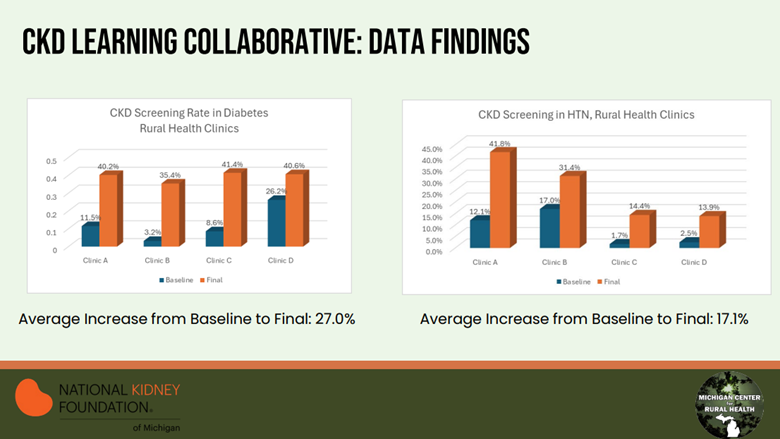
Amongst the four pilot sites, the collaborative found CKD screening rates in patients with diabetes increased on average by 27%, while in patients with hypertension (HTN) screening increased on average by 17% (Figure 1). Overall, CKD diagnosis increased by an average of 6.5% when compared to baseline.

Figure 1. CKD Learning Collaborative Data Findings
CKD Learning Collaborative Data Findings

Empowering the healthcare team and patients with actionable recommendations was another strategy identified to be especially helpful in moving the needle on screening rates. Ensuring laboratory representation from the beginning of the project was especially helpful in overcoming challenges related to laboratory test ordering and reporting. Moving forward, the presenters note that the project timeline may need to be adjusted to build in enough time to identify clinic champions and develop buy-in with clinic staff.

Throughout the project, NKFM and MCRH met monthly with all the pilot sites together, as well as separately. This allowed them the opportunity to collaborate on shared successes and barriers while also offering an opportunity to cater education and guidance of interventions to each site’s needs. While each pilot site ended the project with different next steps, all will continue to receive support from NKFM and MCRH as they progress on their journeys to diligently increase CKD screening, diagnosis, and referrals to lifestyle management programs.

Using the remaining funds from this grant, NKFM and MCRH built on their successes by developing a CKD toolkit for rural providers. The toolkit allows them to broaden the reach of the CKD Learning Collaborative’s impact to more clinics across Michigan. While the toolkit does cater to a rural health clinic audience, any clinic interested in learning more about enhancing CKD care can access the suite of provider and patient education resources, workflows, and screening tools on MCRH’s website.

MVC Rural Health Workgroup Mar. 11, 2025

Post-Discharge Follow-Up Workgroup March 20, 2025

This month, MVC’s post-discharge follow-up workgroup featured a presentation by Morgan Albright, Director of Case/ Care Management and Population Health at Oaklawn Hospital and Zach Chapman, Executive Director of Oaklawn Medical Group. Their co-presentation centered on Oaklawn Hospital and Oaklawn Medical Group’s collaboration to integrate Medicare Annual Wellness Visits (MAWVs) into their population health program.

MAWVs focus on preventive care and health maintenance and include a health risk assessment, review of medical history, and development of a personalized prevention plan (Figure 2). Unlike a preventive physical exam (IPPE) or routine physical exam, MAWVs do not include a comprehensive physical exam. Albright explained that while MAWVs are a standard benefit for Medicare beneficiaries, these visits were infrequently completed due to the limited time available during a PCP visit. Additionally, since these visits are hands off assessments and previously stand-alone appointments, patient satisfaction following these visits was generally low.

Figure 2. Comparison of Medicare Physical Exam Coverage
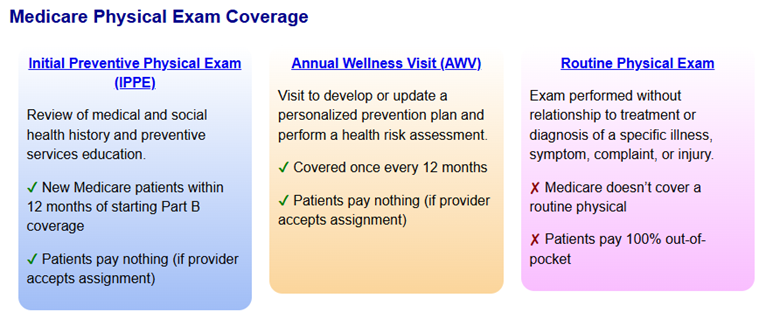
Comparison of Medicare Physical Exam Coverage: initial preventive physical exam, annual wellness visit, routine physical exam

In January of 2023, three population health nurses were integrated across Oaklawn’s outpatient offices with the goal of conducting dual and/or phone-prep MAWV appointments. Combining an MAWV with another regularly scheduled visit has helped to alleviate the barriers that existed for the Medicare patient population. Benefits of completing the MAWV include increased care planning, depression screening, and patient satisfaction.

An additional benefit to the integration of the population health nurses and MAWVs has been in the improvement of billing and revenue. Albright explained that while an initial MAWV does not necessarily generate revenue, any subsequent MAWVs, such as those focused on depression screening or social determinants of health (SDoH) concerns, are billable. Champman notes that in 2022, only 66 depression screenings were billed, compared to close to 4,000 in 2024. Similarly, billing for advanced care planning has increased from 94 cases in 2022 to 1,100 in 2024. Chapman estimates the return on investment is about 150% of the cost of a dedicated population health RN. He also noted the impact the introduction of population health support staff has had on reducing the primary care physician’s workload.

In addition to the MAWV assessments, Albright and Chapman note Oaklawn has initiated a chronic care management program. This program is a collaborative effort between Oaklawn’s care managers and a third-party chronic care management vendor. These check-ins take place between regularly scheduled appointments to ensure patients have the resources (access to medications, transportation, etc.) to be successful in management of their chronic conditions. The depth and breadth of the resources available between these two groups allows them to reach out to over 800 patients monthly. Identified downstream effects of this program have been reduced emergency department (ED) utilization and reduced length of stays (LOS).

Paired together, the addition of MAWVs and the chronic care management program have robustly increased Oaklawn Hospital and Medical Group’s ability to reach their aging Medicare patients. Overall, roughly 50% of Oaklawn’s eligible population completed MAWVs in 2024, compared to just 11% in 2021. This translates to about 1,800 wellness visits in 2021 versus 5,500 in 2024. Oaklawn’s next steps include intentionally working to engage with the remaining 50% of eligible Medicare patients to ensure they do not miss out on valuable healthcare resources.

To learn more about Medicare Wellness Visits including coding and billing requirements, visit the Centers for Medicare and Medicaid Services education website.

MVC Post-Discharge Follow-Up Workgroup Mar. 20, 2025

If you are interested in pursuing a healthcare improvement initiative, MVC has a robust registry of claims data that can be utilized, as well as site specialists who can help facilitate connections with peers doing similar work. Please reach out to us by email if you are interested to learn more about MVC data or engagement offerings. Please also join us for upcoming workgroups by registering on MVC’s website.

Off
View Post
December Workgroups Highlight MI-POST End-of-Life Medical Order and ED Throughput Project

December Workgroups Highlight MI-POST End-of-Life Medical Order and ED Throughput Project

In December, MVC hosted two virtual workgroup presentations – the first a post-discharge follow-up workgroup focused on end-of-life care, and a rural health workgroup focused on emergency department (ED) throughput quality improvement processes. MVC hosts two virtual workgroups per month with topics rotating between post-discharge follow-up, sepsis, cardiac rehabilitation, rural health, preoperative testing, and health in action (ad hoc focused topics). Each month, the MVC Coordinating Center publishes key highlights from the past month’s presentations to support resource and best practice sharing across the state.

Post-Discharge Follow-Up Workgroup December 3, 2024

The first workgroup of December focused on post-discharge follow-up and end-of-life care choices supported by Michigan Physician Orders for Scope of Treatment (MI-POST) legal documentation. This workgroup featured a presentation by Crystal Young, a Quality, Safety, & Experience Program Manager at Corewell Health, and Natalie Holland, Senior Advisor with the Michigan Department of Health & Human Services (MDHHS) Strategic Alignment and Engagement Team. The presentation reviewed Michigan’s MI-POST legal and healthcare guidelines, detailing options patients have when they are eligible for end-of-life services and care options.

MI-POST is an option for patients in their advance care planning (ACP) process. The ACP process includes discussing patient wishes for care, deciding how they want their needs met if they are unable to communicate, and documenting these decisions so that they are accessible for healthcare professionals when the patient is unable to speak for themselves. The presenters identified several ACP documents available in Michigan such as Durable Power of Attorney for Healthcare, Living Will, and Medical Orders such as the MI-POST and Out-of-Hospital Do-Not-Resuscitate Order (OOH-DNR).

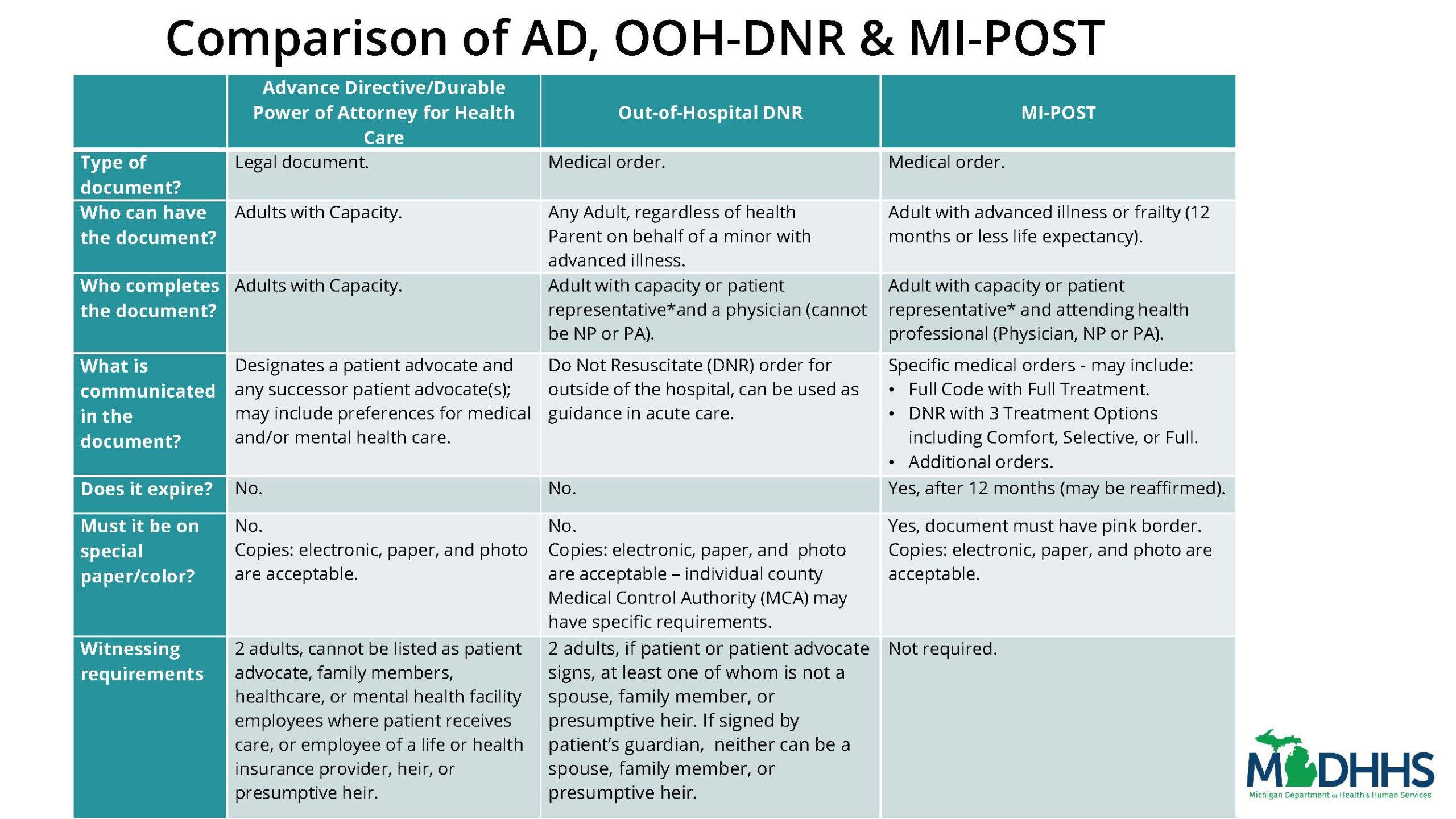
The presenters described the history behind MI-POST as a portable medical order, starting as a pilot program in several Michigan counties in 2011 and then established through legislation and utilized across the state. This standardized form allows adult patients who require end-of-life services to establish specific guidelines for care in their last year of life. The presenters detailed the sections and fields included within the form, which can be found on the Michigan Department of Health and Human Services website. The presenters explained that the MI-POST form must be updated each year and has some similarities and differences to other ACP documents. Below is a table provided by the presenters comparing the MI-POST document to the other forms of ACP (Table 1).

Table 1. Comparing Advance Directive, OOH-DNR, & MI-POST

The presenters shared that one benefit of completing the MI-POST form is that a witness is not required to be present for the patient to sign the document; however, it does require the signature of a physician or other advanced practice provider. Furthermore, they said, since MI-POST is a portable medical order, it travels with the patient and details the level of emergency response the patient prefers and can be used to guide care in any setting.

MVC Post-Discharge Follow-Up Workgroup Dec. 3, 2024

Rural Health Workgroup December 12, 2024

On Dec. 12, MVC hosted its final rural health workgroup of 2024. Toni Moriarty-Smith, RN, MSN, Director of Quality and Clinical Risk at McLaren Northern Michigan Hospital, presented on their emergency department (ED) throughput quality improvement process.

Moriarty-Smith commented that many of the challenges faced by rural hospitals after the COVID-19 pandemic are still being dealt with today. McLaren Northern Michigan found that after the pandemic lifted, their ED experienced a significant uptick in patient volume and patient acuity, with increased wait times in the ED and patients leaving without being seen by a physician.

Moriarty-Smith said several factors played a part in the increased wait times and ED overcrowding at McLaren Northern Michigan. In addition to regular inpatient boarders, there were lengthy bed holds for skilled nursing patients because facilities were limiting admissions with selective criteria, behavioral health patients (especially pediatric) were being held longer in ED beds, and beds were being held for outside facility direct admits.

In addition to the influx of patients, she said, the hospital experienced an unprecedented reduction in staff (approximately 50%) either from retirements or resignations post-pandemic. This directly impacted the efficiency of moving patients through the ED in a timely manner. McLaren Northern Michigan completed root cause analyses to begin pinpointing areas of opportunity for improvement. After completing a review of current literature, Moriarty-Smith said hospital leadership identified multiple strategies to address their challenges.

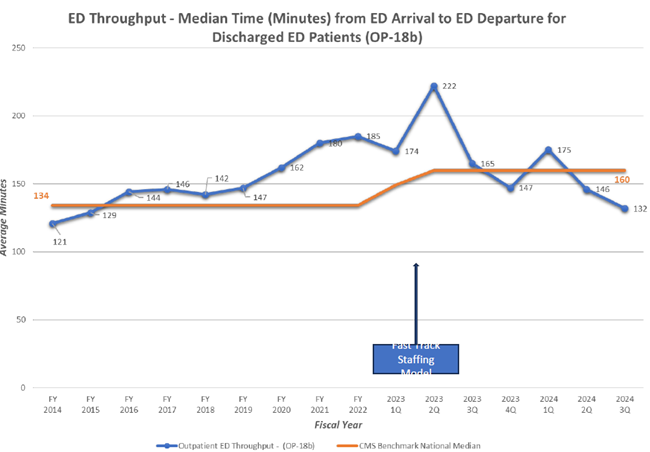
One of the first adjustments made was implementation of a fast-track triage process with ED physicians and advanced practice providers working in the triage area. The fast-track triage process was triggered when all registered nurses (RNs) were in full assignment, a triage RN or other support staff were able to start protocol orders, and an ED provider was available to work in triage. Figure 1 below shows the Median ED throughput for patients from arriving to the ED to discharge before and after the fast-track process was implemented.

Figure 1. ED Throughput - Median Time (Minutes) for Patients from ED Arrival to ED Departure for Discharged ED Patients Before and After Implementation of the Fast-Track Process

Prior to the implementation of this new triage process, McLaren Northern Michigan struggled to complete timely blood draws. Due to diminished staffing the hospital was pulling nurses from the ED or from the floor to help do lab draws in the ED. This slowed the triage process and affected other areas within the hospital. In response, they developed a strategy to reduce the load on nurses by cross training patient care techs (PCTs) to do lab draws, offering a more senior position with increased pay to improve efficiency and processing.

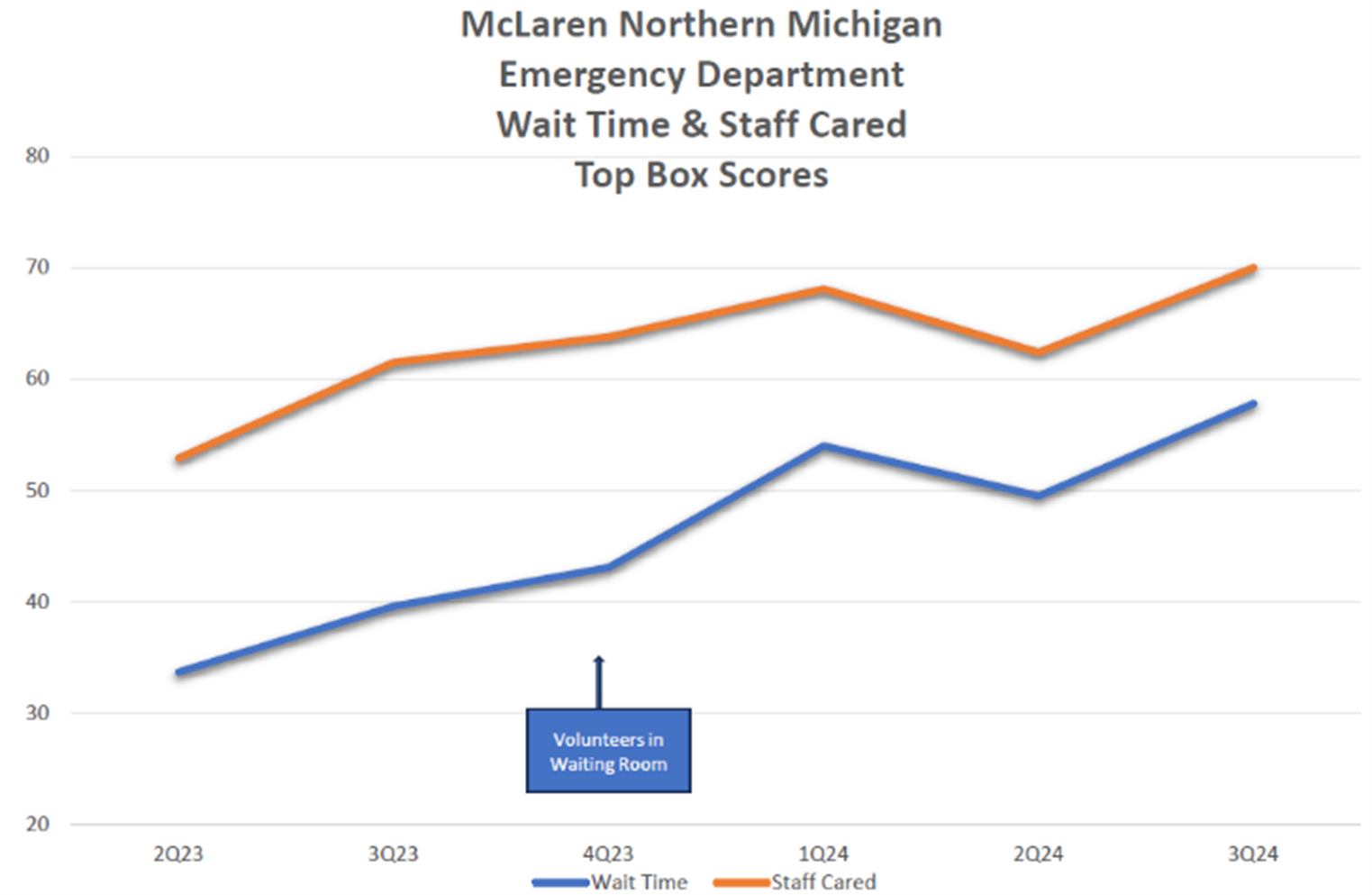
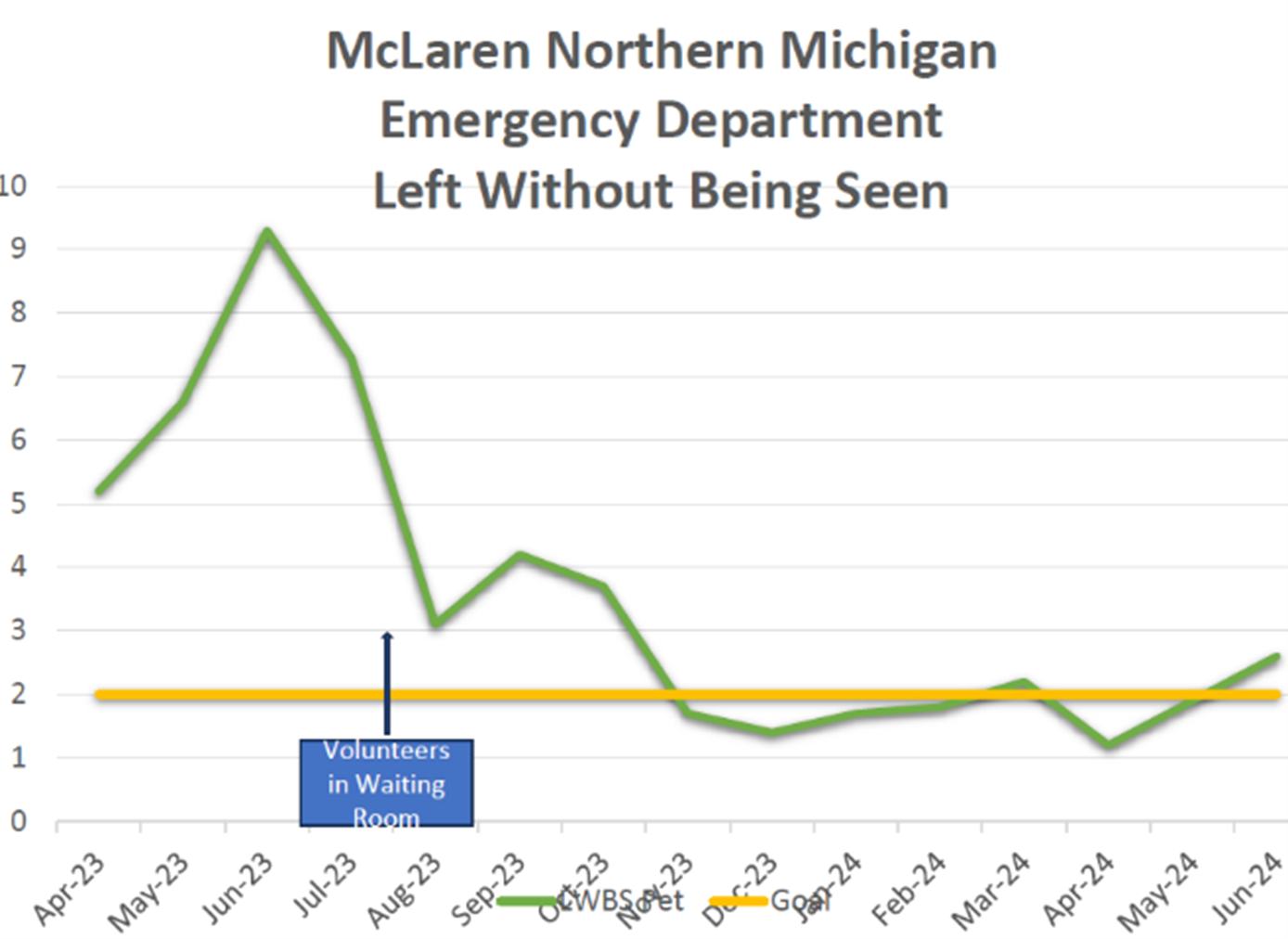
McLaren Northern Michigan also worked in collaboration with their family advisory committee to establish a volunteer presence in the ED. These volunteers helped educate and inform patients about what to expect coming into the ED, provided warm blankets and words of encouragement, and generally supported those waiting to be seen. The extra care and attention helped patients feel seen and listened to and improved their experience (Figure 2). The addition of volunteers also helped reduce the number of patients who left without being seen (Figure 3).

Figure 2. McLaren Northern Michigan ED Wait Time & Staff Cared Top Box Scores

Figure 3. McLaren Northern Michigan ED Left Without Being Seen

Moriarty-Smith said they also sought to address issues related to staff recruitment. McLaren Northern Michigan raised the base pay of all RNs, transitioned contracted RNs to temporary status (approximately 70%), implemented a recruiting initiative to re-hire past employees, and expanded traveling provider contracts to open more beds for ED boarding patients.

The improvement measures McLaren Northern Michigan implemented have had an overall positive impact on the hospital. Over the course of her presentation, the challenges shared by Moriarty-Smith resonated with other attendees and inspired robust discussion about strategies being implemented across the state to address barriers to QI.

MVC Rural Health Workgroup Dec. 12, 2024

MVC looks forward to continuing to host two virtual workgroups per month in 2025. To view the 2025 schedule of events with registration links, view the 2025 calendar on MVC’s events page [LINK]. If you are interested in leveraging MVC’s robust registry of claims data and data specialists to inform a local or system-level quality improvement effort, reach out to the MVC Coordinating Center [EMAIL].

Off
View Post
September MVC Workgroups Highlight Initiatives for COPD Readmissions, High-Value Care for All

September MVC Workgroups Highlight Initiatives for COPD Readmissions, High-Value Care for All

Since its founding, a core component of MVC’s strategy has been organizing opportunities to collaborate with and learn from peers, leading to the ongoing facilitation of MVC workgroups. MVC has hosted workgroup presentations twice per month in recent years, and this year’s workgroups are focused on six topic areas: post-discharge follow-up, sepsis, cardiac rehabilitation, rural health, preoperative testing, and health in action. Going forward, MVC will publish a monthly blog to highlight key takeaways and shared resources from the prior month’s presentations. In doing so, all MVC members and partners may utilize and benefit from the content regardless of their live participation.

September Post-Discharge Follow-Up Workgroup

MVC hosted a post-discharge follow-up workgroup on Sept. 10 featuring a presentation by Brian Leideker, RRT, COPD Navigator for Trinity Health Oakland Hospital. Leideker’s presentation summarized Trinity Heath Oakland Hospital’s progress since initiating an A3 COPD readmission committee in June 2021, including the key interventions their team has implemented to date.

One initial intervention was the hiring of a COPD navigator. Leideker described how his unique role as a respiratory therapist involved in case management has allowed him to be “a middleman between respiratory physicians and other entities trying to deliver and support services” for COPD patients.

Following several root cause analyses, the COPD committee identified that nearly 90% of patients readmitted for COPD at Trinity Health Oakland Hospital had an interruption in intended continuation of pharmacotherapy and/or non-pharmacotherapy treatments. This finding encouraged Leideker’s team to work to improve the education of patients, providers, and the greater healthcare community on ambulatory treatment for COPD as well as reviewing the testing and documentation needed to ensure coverage of durable medical equipment (DME) post-discharge.

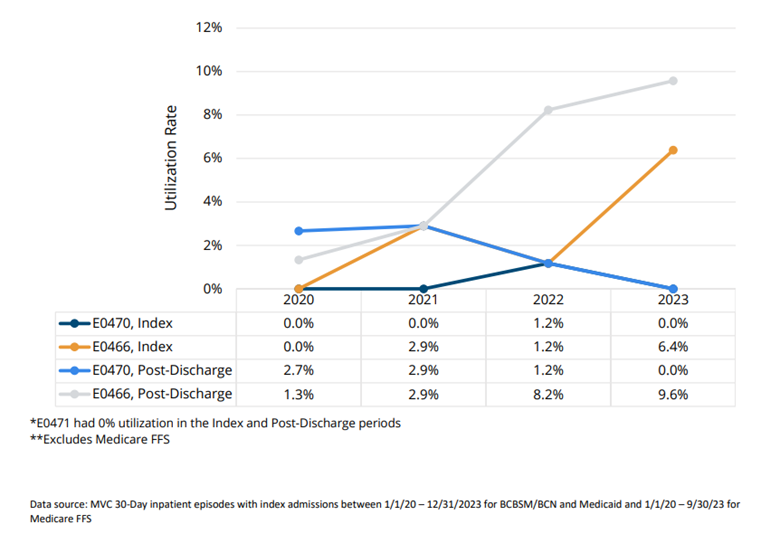
With the help of an MVC custom analytic report, Leideker was able to trend DME utilization rates for patients hospitalized with COPD since the initiation of these interventions, as seen in Figure 1.

Figure 1. Annual Select* DME Utilization Rates During the Index and 30-Day Post-Discharge Period Among Patients Hospitalized for COPD at Trinity Health Oakland (2020-2023)**

Generally, the utilization rate of post-discharge non-bi-level home ventilators (E0466) was found to increase over time, while bi-level home ventilator (E0470) utilization has decreased. Leideker noted that this was somewhat expected since patients routinely report difficulty with the utilization of bi-level home ventilators (BiPAP) and often move on to non-bi-level home ventilators (CPAP). Additionally, based on Trinity Health Oakland’s internal analyses as of May 2024, their COPD three-day readmission rates have been reduced to <18% for all payers.

Sept. 10 Post-Discharge Follow-Up Workgroup

September Rural Health Workgroup

MVC hosted a rural health workgroup on Sept. 26 featuring a presentation by Brent Mikkola, MBA, PMP, Manager of Community Health at MyMichigan Health. Mikkola’s presentation summarized MyMichigan Health’s strategic approach to ensuring high-value care for all and an overview of some specific community programs currently in place. MyMichigan Health’s strategic approach is currently focused on evaluating opportunities to overcome non-medical drivers of health in an “assess, analyze, and address” model.

Some unique community partnerships that resulted from this process include:

  • Gratiot County Public Transit voucher program
  • Rx 4 Health – partnership with Michigan State Extension and specific grocery suppliers including SpartanNash, SaveALot, and Meijer
  • Food Pharmacies & Weekend Kits - partnership with the Greater Lansing Food Bank and the Food Bank of Eastern Michigan
  • Bridge to Belonging - virtual series on loneliness and social connection
  • Continuing Care Clinic Pilot with Community Health Workers (CHWs)
  • Intervention for Nicotine Dependence: Education, Prevention, Tobacco and Health (INDEPTH) Suspension Diversion Program

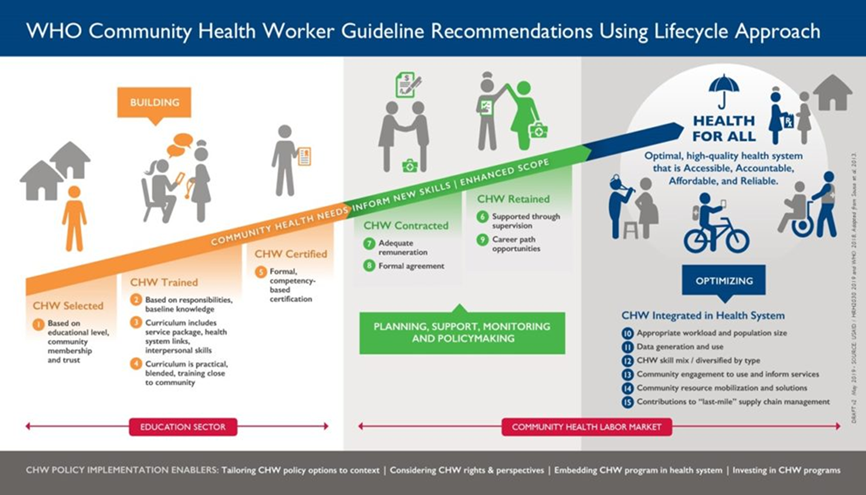
In addition, Mikkola described how MyMichigan Health delved into the data collection, analysis, and quality improvement work surrounding gaps in healthcare outcomes. For example, after initially integrating CHWs into community practices and inpatient services, MyMichigan Health further integrated CHWs following the WHO’s CHW Lifecycle Approach. CHWs have become instrumental to MyMichigan’s assessment of non-medical drivers of health as required by CMS and JCAHO mandates; they have done so by filling gaps in system workflows and in the expansion of the Continuing Care Clinic Pilot. To date, nearly 500 well visit appointments have been completed by CHWs at MyMichigan. Of those patients, 34% were identified as experiencing gaps in care and 50% of those positive screens have now reportedly been met through connections to community support services.

To learn more about the efforts showcased by Trinity Health Oakland and MyMichigan Health, or to view past workgroup presentations, visit MVC’s YouTube channel here.

October’s workgroups will include a health in action presentation on Oct. 8 about the University of Michigan’s Hospital Care at Home program, as well as a sepsis presentation on Oct. 17 by Garden City Hospital. You can view the complete 2024 calendar of events and register for workgroups here. To learn more about MVC workgroups or other presentation opportunities, contact the MVC Coordinating Center by emailing us here.

Off
View Post
Post-Discharge Workgroup Highlights Systems Approach to Caring for Multiple-Visit Patients

Post-Discharge Workgroup Highlights Systems Approach to Caring for Multiple-Visit Patients

This month MVC hosted its first post-discharge follow-up workgroup presentation of the year, which featured a presentation by guest speaker Lisa Powell, MBA, PTA, Clinical Director of Operations of Sparrow Hospital. She shared insights from a recent Sparrow Hospital project launched to reduce readmissions and acute care utilization.

The project came about when E.W. Sparrow Hospital identified that readmissions were a key driver of capacity limitations in the acute care setting and that Sparrow was underperforming compared to peers. After observing high readmission rates for their facility, Sparrow investigated utilization by asking questions about the social determinants of health impacting the patient population and looking into specific identity metrics.

Figure 1.

As part of Sparrow’s investigation, they drilled down on specific patient cases for context, discovering 35 discrete patients in 2021 who accounted for a total of 434 admissions and 2,088 acute care days. This unique subset of patients was defined by the Sparrow team as multiple-visit patients (MVPs)—those with 10 or more combined inpatient and observation admissions over the past 12 months. The data available on MVPs exemplified a disconnect in the delivery, management, and transition of care, and a need for a care plan that could be implemented the next time an MVP patient presented to the emergency department. The resulting plan was designed to transition away from episodic care, close the primary care gap to improve care in the right setting, and remove barriers to accessing specialty care, all within Sparrow's resource and time constraints.

Focusing on one patient at a time, the physicians and care team members were tasked to work offline on their own time to articulate a brief care plan and synopsis of the patient from their respective disciplines. The providers later came together at one-hour multidisciplinary virtual meetings to discuss each patient and achieve consensus on their proposed plan. Once a plan was established and agreed upon, the team distributed the information to hospital staff utilizing layered EMR tools such as FYI flags, specialized note types for MVP care plans, and best practice advisories (BPA).

After receiving initial feedback and analyzing usage data, providers found certain EMR tools more effective than others. FYI flags were the least utilized tool and not effective on their own in changing clinical behavior, as they were often ignored. Implementing a specialized note type for MVP care plans, however, was extremely effective and user-friendly (Figure 2). Through this development, providers no longer needed to search through lengthy patient medical histories to locate their MVP care plan, increasing the likelihood that the care provided would be in line with the agreed upon multidisciplinary plan.

Figure 2.

Four months after Sparrow Hospital launched this EMR systems approach, they reduced acute care days as well as the number of patients who met the multi-visit patient definition of 10 or more admissions over 12 months (see Figures 3 and 4) with sustained improvement for over two years. Providers consistently provide positive feedback and Sparrow has continued to expand the scope and use of the approach.

Figure 3.

Figure 4.

Although over the past two years, readmission rates and the number of MVPs that frequent their hospital have decreased (Figure 5), the impact of this project expands far beyond improving hospital readmission rates and acute care utilization. Sparrow Hospital’s systems approach to MVPs keeps patients out of the hospital and improves their lives. Although no patient-reported outcomes data has been collected on this to date, Sparrow Hospital is confident that this approach is improving the quality of life for many patients.

Figure 5.

As the project continues to evolve, Sparrow Hospital hopes to expand the utilization of multidisciplinary care plans delivered through EMR tools, which are inherently designed for flexibility in use. The target population can be broadened, providers can escalate patients who may benefit from an MVP plan of care, and tools can be utilized for difficult transitions of care.

Sparrow’s systems-level approach to supporting MVPs in a hospital setting has shown great promise in care management and improvement, and the participants in last week’s workgroup were eager to share the success of this project with their sites and colleagues. Sparrow Hospital identified an area of poor performance and collaborated to design an initiative that addressed patient needs within established systems and resources. As we look toward the future of healthcare quality improvement, feasibility in implementation must be a high priority to achieve success.

MVC workgroups consist of a diverse group of representatives from Michigan hospitals and physician organizations that meet virtually to collaborate and share ideas. If you were unable to attend this workgroup, you can access the recording here. To register for upcoming workgroups, visit MVC’s 2024 events calendar. If your team has a successful initiative or project to share with the Collaborative, please reach out to MVC.